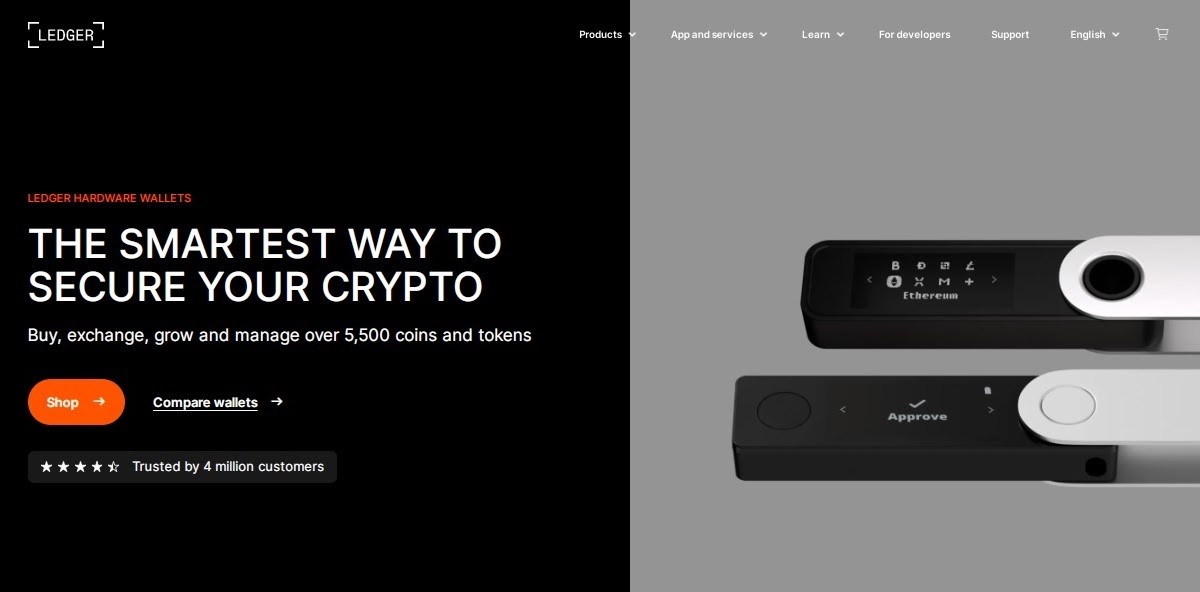
Ledger.com/Start —
Introduction: Why Ledger.com/Start is Essential
In the world of cryptocurrency, security is paramount. Ledger.com/Start is the official starting point for setting up a Ledger hardware wallet, a device designed to protect your crypto assets by storing private keys offline. Unlike software wallets, which are connected to the internet and vulnerable to hacks, a hardware wallet ensures your funds remain under your control.
Ledger.com/Start guides users through the proper setup process, from initializing the device to safely managing assets with Ledger Live. Following the instructions carefully reduces the risk of mistakes and protects your investments.
Why You Should Use Ledger.com/Start
Many new crypto users underestimate the risks associated with improper wallet setup. Ledger.com/Start exists to ensure:
Secure Software Installation: You download only official Ledger Live software.
Proper Device Initialization: The setup instructions are tailored for your specific hardware.
Protection Against Scams: Phishing attacks and malicious downloads are common threats in the crypto space.
Safe Backup Procedures: Your recovery phrase is generated and stored securely.
Using the official portal ensures your Ledger device is ready to securely store and manage crypto.
What You’ll Need Before You Begin
To make setup smooth, gather the following items:
Hardware Requirements
Ledger hardware wallet (Nano X, Nano S Plus, or Ledger Stax)
USB cable (included with the device)
Recovery phrase sheets
A safe, offline location for storing your recovery phrase
Software Requirements
A computer or smartphone with internet access
A modern web browser
Ledger Live application (downloaded during setup)
Preparation Tips
Avoid public Wi-Fi and shared devices during setup
Set aside 15–20 minutes for uninterrupted setup
Ensure your workspace is private and secure
Step 1: Access the Official Setup Portal
The first step is to visit Ledger.com/Start. Type the address directly into your browser rather than clicking on any link from emails or social media. This ensures you are on the official site and protected from phishing attempts.
Step 2: Identify Your Ledger Device
Ledger.com/Start will ask you to select your device model. Each Ledger device has slightly different setup steps:
Ledger Nano X: Supports Bluetooth and USB connectivity.
Ledger Nano S Plus: Compact and USB-only device.
Ledger Stax: Advanced touchscreen device for a larger crypto portfolio.
Choosing the correct device ensures you follow instructions that match your hardware.
Step 3: Inspect Your Ledger Device
Before turning it on:
Confirm the packaging is sealed and untampered.
Make sure there are no pre-existing recovery phrases or PIN codes.
Report suspicious packaging or anomalies immediately.
Proper inspection ensures your wallet hasn’t been compromised before use.
Step 4: Download and Install Ledger Live
Ledger Live is the central software application for managing your crypto. It allows you to:
Install apps for supported cryptocurrencies
Add and manage accounts
Send and receive funds
Stake supported coins and view NFTs
Only download Ledger Live through Ledger.com/Start to avoid malware or counterfeit versions.
Step 5: Connect and Initialize Your Ledger Device
Connect your device to your computer using the provided USB cable.
Power on your device and select “Set up as a new device.”
The device will generate secure cryptographic keys offline, keeping your private keys safe from internet threats.
During initialization, your device will also prompt you to select a PIN code.
Step 6: Set Up a PIN Code
The PIN code protects your Ledger device from unauthorized access. Guidelines for creating a secure PIN:
Use at least 6 digits
Avoid predictable sequences like 123456 or birthdays
Memorize the PIN and do not write it down in an insecure location
You will need this PIN every time you access your wallet.
Step 7: Record Your Recovery Phrase
The recovery phrase is the most critical aspect of your wallet’s security. Ledger devices generate a 24-word phrase, which is the master key to your funds.
Security tips:
Write the words in order on the provided sheet
Do not store digitally or take photos
Keep it in a secure offline location
Never share it with anyone
The recovery phrase is your only method to restore access if the device is lost or damaged.
Step 8: Verify Your Recovery Phrase
After writing it down, the device will ask you to confirm certain words from the recovery phrase. This ensures you recorded it correctly and can recover your wallet in the future.
Step 9: Install Cryptocurrency Apps
Once your Ledger device is set up, open Ledger Live and navigate to the Manager section. Here, you can install apps for supported cryptocurrencies like:
Bitcoin
Ethereum
Solana
Cardano
Each app allows your Ledger device to securely interact with the corresponding blockchain.
Step 10: Add Accounts in Ledger Live
After installing apps, add accounts for each cryptocurrency:
Click Add Account in Ledger Live.
Select the desired blockchain.
Confirm your Ledger device is connected.
Your accounts are now linked and ready for sending, receiving, or managing crypto.
Using Your Ledger Wallet Safely
Receiving Cryptocurrency
Open Ledger Live and select Receive
Choose the cryptocurrency you wish to receive
Verify the address on your device before sharing
Sending Cryptocurrency
Select Send in Ledger Live
Enter the recipient’s address and amount
Confirm the transaction on your device
Swapping Tokens
Ledger Live supports in-app swaps for certain cryptocurrencies, allowing you to exchange tokens securely.
Staking
Ledger Live also allows staking of supported assets, enabling you to earn rewards safely.
Managing NFTs
Ethereum and Polygon NFTs can be viewed and managed directly in Ledger Live.
Best Security Practices
Always verify Ledger Live downloads from the official source.
Never enter your recovery phrase into any online form or device.
Store your recovery phrase in a secure, offline location, preferably with multiple copies.
Confirm all addresses and transactions on the device itself.
Be aware of phishing attempts; Ledger support will never ask for your PIN or recovery phrase.
Common Mistakes to Avoid
MistakePotential RiskStoring recovery phrase digitallyVulnerable to hackingDownloading Ledger Live from unofficial sourcesMalware or phishing riskSharing recovery phrase with anyoneLoss of control over walletUsing a simple PINEasy to guess or brute-forceSkipping device verificationPossibility of compromised device
Troubleshooting Setup Issues
If the device isn’t recognized, try another USB cable or port
Restart Ledger Live and ensure it is updated to the latest version
Make sure device firmware is up-to-date
If problems persist, contact Ledger support for guidance
Advanced Tips for Power Users
Use multiple secure locations for your recovery phrase, such as fireproof safes
Keep your firmware updated for security enhancements
Consider enabling additional security features within Ledger Live for multi-asset management
Regularly review your portfolio and transaction history to detect any anomalies
Conclusion: Why Ledger.com/Start is Your First Step to Crypto Security
Ledger.com/Start is more than a setup guide; it is the foundation of your cryptocurrency security strategy. By following the instructions carefully:
You ensure your private keys remain offline
You protect your funds from phishing and scams
You gain confidence in managing your crypto portfolio
Whether you are a beginner or an experienced user, Ledger devices combined with Ledger Live offer one of the safest ways to store and manage digital assets. Starting at Ledger.com/Start is the first step toward long-term crypto security and self-custody.